Camden Town rubbish removal for narrow streets
Posted on 03/07/2026
Camden Town rubbish removal for narrow streets: a practical guide for tight-access clearances
If you have ever tried to move a sofa, a pile of renovation waste, or a full household clearance through a Camden side street, you will know the problem already. Camden Town rubbish removal for narrow streets is not just about lifting bags into a truck. It is about planning around cramped access, parked cars, awkward turning points, residents coming and going, and the simple reality that a standard skip or large vehicle may not suit the job at all.
That is why the best approach is usually thoughtful, local, and flexible. In this guide, we will walk through how tight-access rubbish removal works, what to look for, common pitfalls, and the smartest ways to keep things moving without creating chaos outside your door. We will also cover compliance, practical preparation, and the service options that tend to work best in Camden's narrower roads. Let's face it, the street outside your home is not a loading bay.
For a broader view of available services, you can also explore the services overview and see how local collections are typically organised.
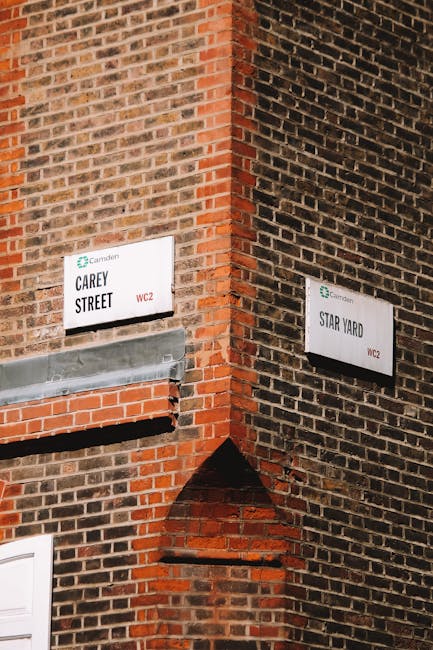
Why Camden Town rubbish removal for narrow streets Matters
Camden Town is lively, dense, and full of streets that were never designed with modern waste logistics in mind. That creates a very specific challenge. If access is tight, a rubbish removal job can quickly become slower, noisier, and more disruptive than it needs to be. In practical terms, this affects everything from loading time to vehicle choice to whether the collection can happen without blocking neighbours or traffic.
Narrow streets also mean you cannot take a casual approach. When bags are left out too early, pedestrians have to squeeze past. When vehicles are oversized, they may struggle to stop safely. When items are awkward or heavy, carrying them the last few metres becomes the real task, not the drive itself. A good clearance plan reduces all of that.
There is another reason this matters: Camden properties are often mixed-use, multi-storey, or set behind railings, steps, or shared entrances. That means rubbish removal is rarely a simple kerbside pickup. The more constrained the access, the more useful a service becomes that is built around man-and-van collection, careful loading, and sensible timing.
Key takeaway: narrow streets do not just make rubbish removal inconvenient. They change the whole shape of the job, which is why tight-access planning is worth doing properly.
How Camden Town rubbish removal for narrow streets Works
In straightforward terms, a tight-access rubbish removal service is designed to work where larger methods are awkward or unrealistic. The collection team usually arrives in a vehicle that can handle city streets more easily, assesses the access, and loads items by hand rather than relying on a skip being left on the road.
The process tends to look something like this:
- You describe what needs removing, where it is, and how easy it is to reach.
- The collection is planned around access, parking, item type, and the volume of waste.
- The team arrives with the right size vehicle and the right number of people.
- Items are carried out carefully, often in stages if the staircase, hallway, or front path is tight.
- Waste is sorted for reuse, recycling, or disposal depending on what it is and its condition.
That hand-loading stage is the important bit. It sounds basic, but in Camden it can be the difference between a job that feels smooth and one that turns into a small logistical headache. A quick job on paper can become fiddly on arrival, especially if there are parking restrictions, a narrow terrace frontage, or a basement flat with a long carry distance.
People sometimes imagine rubbish removal is all about the truck. In reality, it is mostly about the route from your front room to the vehicle. That route is where the challenge lives.
If you are clearing a property rather than just a few bulky items, the house clearance service is often more relevant than a standard one-off collection. For business premises, the office clearance option can be a better fit.
Key Benefits and Practical Advantages
When access is awkward, the right rubbish removal method gives you more than convenience. It saves time, lowers stress, and reduces the chance of a messy or unsafe removal day.
- Less disruption: smaller vehicles and careful planning help avoid blocking busy streets.
- Safer lifting: trained loaders can carry awkward items down stairways and through tight hallways more confidently.
- Better timing: flexible arrival windows can fit around local traffic, deliveries, and resident access.
- More suitable for mixed waste: furniture, general junk, bagged waste, and some bulky items can often be taken together.
- Cleaner end result: there is usually less mess left behind than with rushed DIY disposal.
There is also a quieter benefit that people do not always think about: good planning preserves neighbour goodwill. If you live on a narrow Camden street, the last thing you want is half the road frustrated because bags were left in the wrong place, or because a van has been idling awkwardly while someone hunts for a parking gap. A tidy, efficient collection is just more respectful. Simple as that.
For waste that needs sorting or more careful environmental handling, Camden residents often look at the local recycling and sustainability approach alongside the removal itself.
Who This Is For and When It Makes Sense
This kind of service is especially useful for people dealing with access limits rather than huge volumes alone. You might need it if you live in a terrace with a narrow frontage, a flat up several flights of stairs, a converted building with no lift, or a street where parking is always a bit of a dance. Camden has plenty of those. Truth be told, that is part of the area's charm and part of the headache.
It also makes sense if you are clearing items from a property between tenants, dealing with post-renovation debris, or removing old furniture before a move. In those situations, the issue is often speed and practicality. You want waste gone without making the street look like a temporary storage yard.
Here are typical scenarios where tight-access removal is a strong fit:
- End-of-tenancy clearances in compact flats
- Student or shared-house declutters
- Small renovation or builders' waste collections
- Garage, loft, or basement clear-outs
- Office refits in older Camden buildings
If your waste is mainly construction offcuts or rubble, the dedicated builders' waste disposal service is worth considering. For mixed household rubbish, the rubbish collection service may be more appropriate.
And if you are unsure which route is best, that is normal. Most people are not expected to know the difference straight away.
Step-by-Step Guidance
Here is a practical way to organise a narrow-street clearance without overcomplicating it. You do not need a spreadsheet. Just a bit of order.
1. Identify exactly what needs removing
Start with the basics: number of bags, furniture, electrical items, broken fixtures, garden waste, or builders' debris. Be honest about the volume. Underestimating is one of the most common mistakes, and it usually leads to delay or a second visit.
2. Check the access route
Look at the walk from the property to the vehicle. Are there steps? Tight corners? Shared hallways? A very narrow front gate? One slightly annoying hallway can slow everything down more than a full extra room of waste.
3. Think about parking and timing
Camden streets can be busy at the best of times. Collections often run more smoothly early in the day or during quieter windows, but timing depends on local conditions. If there is a school run, market activity, or delivery traffic nearby, factor that in.
4. Separate anything reusable or recyclable
Before the team arrives, set aside anything you want to keep, donate, or recycle separately. That small effort makes the removal faster and reduces mistakes. It also means you are less likely to part with something you actually wanted.
5. Make bulky items easy to reach
If possible, move items closer to the exit before collection day. Even a few metres saved can make a clear difference in a narrow property. You do not need to drag everything into the street. Just reduce the carry distance where you reasonably can.
6. Confirm the service and any special instructions
Tell the provider if there is no lift, if access is via rear passage, if parking is limited, or if items are in the loft. Small details matter. The smoother the brief, the smoother the job.
7. Walk through the property before and after
A quick check before the team starts can prevent mistakes. A quick check after they finish can catch any missed items. A minute or two here saves a lot of back-and-forth later.
Expert Tips for Better Results
In our experience, the difference between a tidy collection and a stressful one often comes down to small details. Nothing glamorous. Just good habits.
- Measure awkward items before collection day. A wardrobe may be easy to describe and impossible to turn at the top of a staircase. Measuring helps.
- Use strong bags. Overfilled bin liners split at the worst moment, usually when you are halfway out the door. Annoying, honestly.
- Keep a clear path. Shoes, recycling boxes, bikes, and umbrellas all seem to appear in hallways right when you need space.
- Photograph the waste if needed. A few quick pictures can help with planning and give a clearer idea of load size.
- Ask about item handling. If you have fragile, heavy, or sentimental pieces, mention them upfront.
- Plan around neighbours. Try not to schedule the noisiest part of the job during the exact moment everyone is trying to get out the front door.
One more thing: if a clearance looks simple but feels slightly off, trust that instinct. Tight-access jobs tend to punish rushed assumptions. Better to spend five extra minutes planning than half an hour apologising in the street.
For added peace of mind, many people also review the company's insurance and safety guidance before booking.

Common Mistakes to Avoid
Most problems with narrow-street rubbish removal are predictable. The good news is that means they are avoidable.
- Leaving everything until the last minute: rushed sorting usually causes confusion and missed items.
- Choosing a method that does not suit the street: a solution that works on a wide suburban road may be awkward in Camden.
- Forgetting parking constraints: a van that cannot stop safely creates avoidable delays.
- Mixing prohibited items in with general rubbish: some items need separate handling and should never be hidden in a normal load.
- Underestimating stair difficulty: one heavy item on a spiral staircase can change the whole job.
- Assuming all waste can be cleared the same way: builders' debris, garden cuttings, office waste, and household junk each bring their own quirks.
There is also a mindset mistake: thinking the cheapest-looking option is automatically the best. Sometimes it is. Sometimes it is not. If the access is tight, the real value is in avoiding delays, damage, and repeat visits. That is the boring answer, but it is usually the right one.
Tools, Resources and Recommendations
You do not need specialist equipment to prepare for a narrow-street clearance, but a few simple tools help a lot.
| Tool or resource | Why it helps | Best use case |
|---|---|---|
| Sturdy bin bags | Reduce spills and torn bags during transport | General household rubbish |
| Measuring tape | Helps check whether bulky items will pass through tight spaces | Furniture, appliances, or awkward flat-pack pieces |
| Marker labels or tape | Makes it easier to separate keep, recycle, and remove piles | Mixed clearances |
| Gloves and sturdy shoes | Basic protection while moving small items | Pre-collection sorting |
| Clear photos of the access route | Helps explain stairs, entrances, or loading constraints | Quotes and planning |
For price planning, it is sensible to review pricing and quotes so you know what information usually matters before booking. If you want a better understanding of the company behind the service, the about us page can also be useful.
That said, the best resource is often a clear conversation. A short description, a couple of photos, and honest detail about access can solve most issues before they start.
Law, Compliance, Standards, or Best Practice
Waste removal in the UK carries basic responsibilities around lawful disposal, safe handling, and environmental care. You do not need to become a compliance expert to arrange a collection, but you should choose a provider that handles waste responsibly and can explain what happens to it.
Best practice usually includes:
- Keeping waste separated where practical
- Avoiding fly-tipping or unofficial disposal arrangements
- Handling electrical items, sharps, and hazardous materials carefully
- Making sure the loading process does not create avoidable hazards for pedestrians or neighbours
- Using a provider that follows proper environmental and safety practices
In a narrow street, safe working matters even more. There is less room for mistakes, less room for open bags, and less room for heavy lifting to be improvised. A careful loader will also avoid leaving the pavement blocked for longer than necessary. That is just good manners, really.
If you need a simple general waste option, the waste removal service is often the broadest starting point. For seasonal outdoor debris, there is also garden waste removal in Camden.
Options, Methods, or Comparison Table
Not every job needs the same approach. Here is a practical comparison of common options for tight-access Camden collections.
| Method | Best for | Strengths | Limitations |
|---|---|---|---|
| Man-and-van style rubbish removal | General waste, furniture, mixed items, narrow streets | Flexible, access-friendly, usually quick to load | Not ideal for very large construction volumes |
| Skip hire | Projects with larger waste volumes and enough frontage | Good capacity for ongoing works | Can be awkward or unsuitable on narrow roads |
| Specialist builders' collection | Renovation debris, rubble, and heavier waste | Better suited to construction materials | May need clearer separation of materials |
| House clearance | Whole-room or whole-property clear-outs | Useful for multiple items and staged removal | Can take longer if access is very tight |
For many Camden Town narrow-street situations, man-and-van removal is the best balance of practicality and speed. It is less glamorous than a giant skip, sure, but it often works better where space is limited.
Case Study or Real-World Example
Picture a second-floor flat off a busy Camden side street. The resident needs to clear a bed frame, a broken desk, three chairs, a few bags of general clutter, and some old kitchen bits before a move. The hallway is narrow, the stairwell bends sharply halfway down, and parking outside is limited by a row of resident cars.
In a situation like that, a straightforward large-vehicle approach may be clumsy. A better plan is to use a smaller collection vehicle, pre-sort the items inside the flat, and carry pieces down one at a time rather than trying to stage everything on the pavement. The result is usually less noise, less waiting, and fewer awkward moments standing in the doorway wondering where to put the next item.
What made the biggest difference here was not brute strength. It was sequencing. The bed frame went first because it was awkward but manageable. The desk came next once the route was clear. The bags were last, which kept the hallway free until the end. A tiny bit of order, and the whole thing felt calmer.
That is the real pattern with Camden Town rubbish removal for narrow streets. Good planning beats guesswork every time.
Practical Checklist
Use this checklist before collection day. It keeps things simple.
- Identify every item that needs to go
- Separate anything you want to keep
- Set aside reusable or recyclable items if possible
- Measure any large or awkward furniture
- Check the stairways, gates, and hallway width
- Confirm if parking or loading space is available
- Share any access notes with the collection team
- Make sure fragile items are clearly marked
- Clear the walking route inside the property
- Ask what happens to mixed waste after collection
- Review the provider's safety and insurance information
It is not fancy, but it works. And on a cramped Camden street, that really matters.
Get a free quote today and see how much you can save.
Conclusion
Camden Town rubbish removal for narrow streets is about working with the area, not against it. Tight access, busy kerbs, and older building layouts all reward careful planning and the right service choice. If you prepare the route, separate your waste sensibly, and use a collection method suited to the street, the whole process becomes far less stressful.
The main thing to remember is this: the best rubbish removal is the one that feels almost uneventful on the day. No blocking the pavement, no frantic reshuffling, no wondering whether the van can even stop. Just a tidy finish and the quiet relief that comes after a job done properly.
And in a place like Camden, that calm little finish is worth a lot.


Copyright © . House Clearance Camden. All Rights Reserved.